The Allure of Risk and Reward
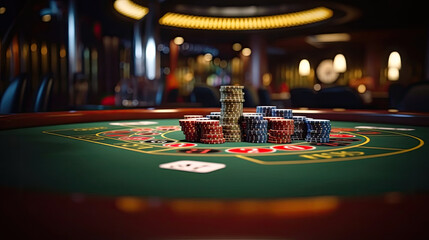
The psychological thrill of gambling is primarily rooted in the balance between risk and reward. Players are often drawn to the idea of winning large sums of money with a relatively small wager. This concept taps into the human desire for instant gratification and the excitement that comes from the possibility of a significant payoff. As individuals place their bets, they enter a world charged with adrenaline, where each turn of a card or spin of a wheel can result in a life-altering outcome. Moreover, many people seek the best gym london to balance the intensity of their gambling habits with physical fitness.
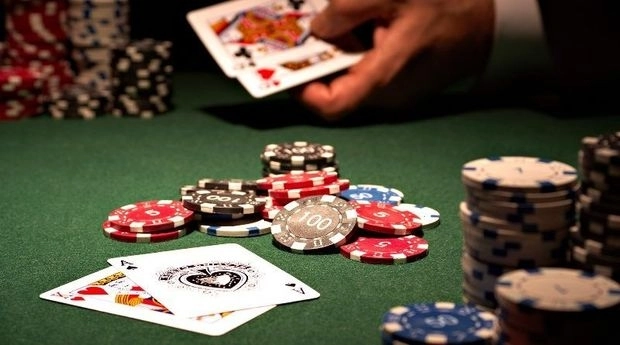
This intoxicating blend of risk and potential reward creates a captivating experience. The high-stakes environment of a casino, combined with the unpredictability of game outcomes, fosters a unique psychological state. Players frequently experience a rush of emotions, from hope and anticipation to disappointment and exhilaration, making the gambling experience deeply engaging and often habit-forming.
The Role of Cognitive Biases
Cognitive biases play a significant role in how individuals approach casino gambling. Many players fall victim to the illusion of control, where they believe they can influence the outcome of a game through their actions or strategies. This misconception can lead to risky betting behavior, as players often increase their wagers in hopes of turning their luck around. The Gambler’s Fallacy is another common cognitive bias, where individuals mistakenly believe that past results can affect future outcomes, such as thinking that after several losses, a win is “due.”
These biases can significantly distort a player’s perception of gambling odds, leading them to underestimate the house edge. As a result, players might spend more time and money at the casino, reinforcing the cycle of gambling behavior and potentially contributing to addiction.
The Impact of Environment on Gambling Behavior